

GRAPHIC MATERIAL
How do you create a company with one unified direction? A large part of the answer lies in your graphic material. We know that this is where your visual identity is used and brought to life. Through consistent and well-thought-out graphic material, you create a communicative expression that strengthens your brand's recognition and at the same time differentiates you from the competition.
Yes, actually a study shows from Danish Industry: That 9 out of 10 companies that work with design find that it creates a noticeable value –, among other things, through greater competitiveness, increased sales, a stronger brand and a clearer differentiation from competitors.
THE SHAPE OF THE BRAND
Graphic material covers the graphics where your visual identity is expressed.
It could be, for example, yours:
- Graphic illustrations, which visually conveys your style and form.
- Infographics, which translates knowledge into clear and easy-to-understand communication.
- Labels, where the brand's visual identity supports the product's expression through colours, typography and icons.
- Posters, which communicates messages through the brand's visual elements and layout principles.
- Graphic templates, which supports brand consistency and makes it easy for several people to work from the same visual direction.
THE GRAPHICS IN GAMES
Graphic material is central to your communication, and it can be used both digitally and physically. When graphic material such as illustrations, infographics, labels, posters and templates are prepared consciously based on your visual identity, it creates an overall impression that makes your brand recognizable and trustworthy. You can therefore use graphic material everywhere you communicate.
This applies, for example:
- On your website, where the graphics convey and create a holistic experience.
- On your social media such as Instagram and LinkedIn, where the graphics capture attention and create recognisability.
- In advertisements, presentations and newsletters, where the graphics make the messages clear and engaging.
- On printed matter such as business cards, brochures and packaging, where the graphic expression supports quality and recognisability.
- In internal documents and on signs and posters, where the graphics create structure and coherence in your communication.

THE CANDY EXPRESS
A strong visual graphic is not just about being recognized. It is also about arousing trust and showing that you take your brand seriously. When your expressions are connected, you appear both professional and trustworthy. Our experienced design team has handled many different graphic cases, where they have worked to create a coherent expression.
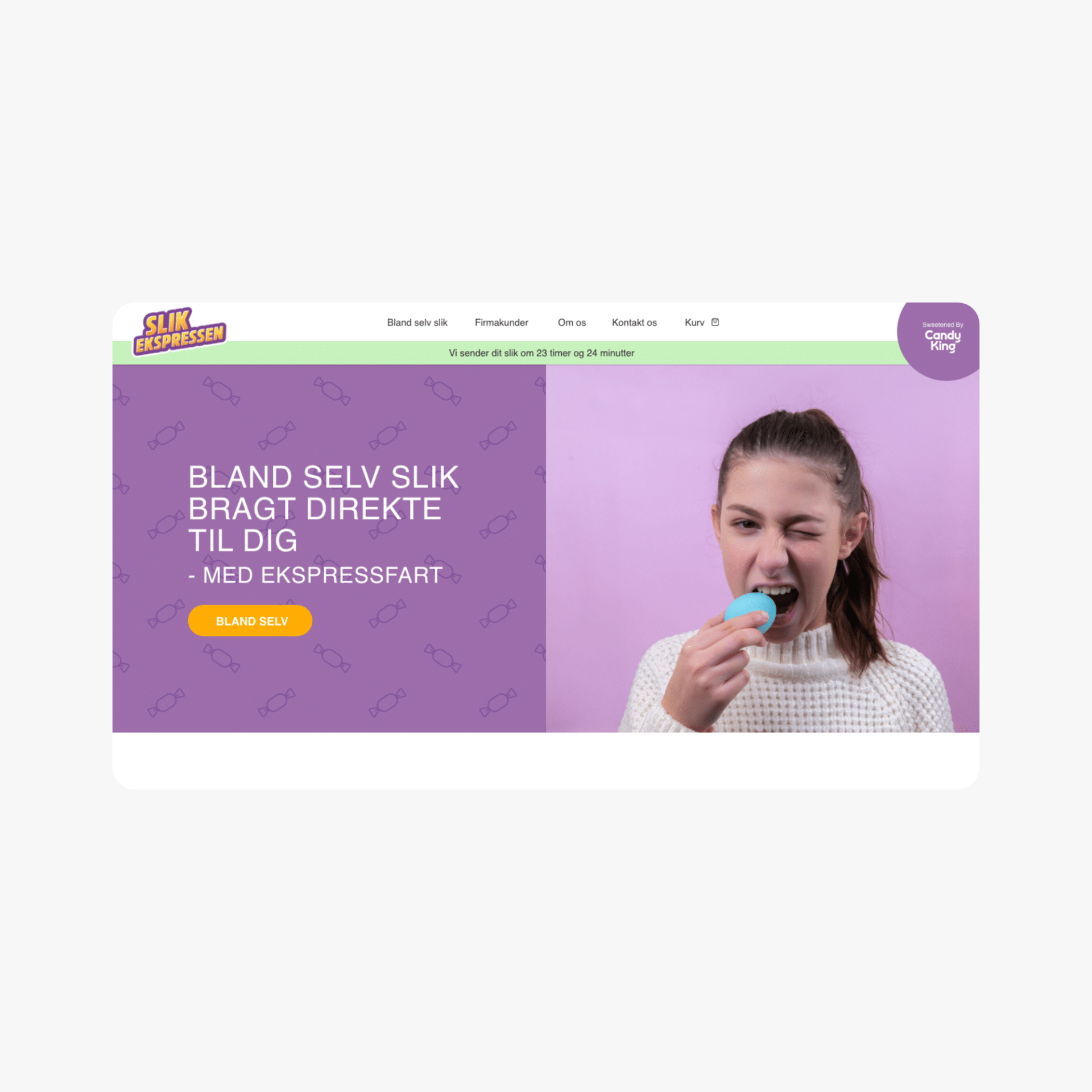
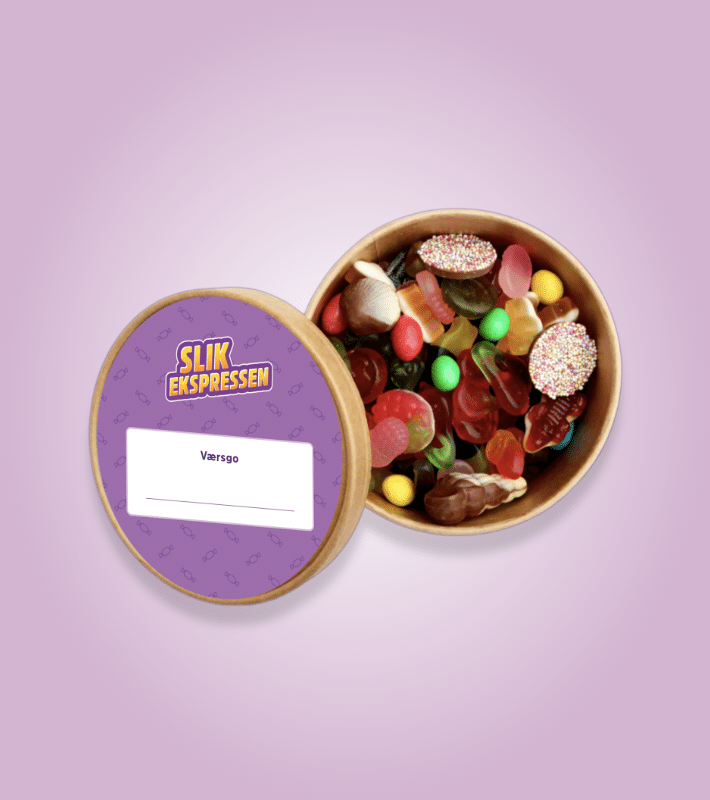
For example, our designers have for The candy express developed a visual identity where colors, icons, patterns and fonts together strengthened the brand's appeal
read more about SlikEkspressen